Things to Do in Jacksonville
Shrimp boats, salt marshes, and the coastline Florida forgot to brag about
Top Things to Do in Jacksonville
Find activities and tours you'll actually want to do. Book through our partners -- no booking fees.


Plan Your Trip
Essential guides for timing and budgeting
Climate Guide
Best times to visit based on weather and events
View guide →Day Trips
The best excursions and nearby destinations worth the journey
Explore day trips →Where to Stay
Best neighbourhoods, hotel picks, and booking tips
Find hotels →Travel Insurance
What's required, what coverage matters, and how to get a quote
Read guide →What to Pack
Climate-specific gear, essentials, and what to leave at home
See packing list →When Should You Visit Jacksonville?
Tap a month for weather, crowds, and highlights
View full year-round climate guide →Your Guide to Jacksonville
About Jacksonville
Jacksonville greets you with salt. Not the decorative kind. But the heavy mineral tang of tidal marshes baking under a June sun, laced with diesel from shrimp trawlers idling at Mayport Village and the faintly sulfurous breath of the St. Johns River, which flows north here because Florida's topography refused to follow the rules.
This is the largest city by land area in the contiguous United States, a fact that explains both its greatest asset and its most persistent frustration: everything is spread out, and you will need a car. But what's spread out is worth the drive. Five Points, the walkable arts district south of downtown, smells like roasting coffee from Bold Bean and sounds like whatever vinyl the record shop on Park Street is spinning that afternoon.
San Marco, across the river, has its Mediterranean Revival storefronts and the kind of independent bookstore corner that lets you forget you're in a city approaching a million people. Head east for twenty minutes and Jacksonville plays its real trick: beaches without the high-rise gauntlet or spring-break circus of South Florida.
Jacksonville Beach has a low-key boardwalk and legitimate surf. But drive north to Big Talbot Island and you'll find Boneyard Beach. Skeletal live oaks bleached white by decades of salt and tide rise from the sand like something from a fever dream, most days shared with a handful of photographers and some fiddler crabs.
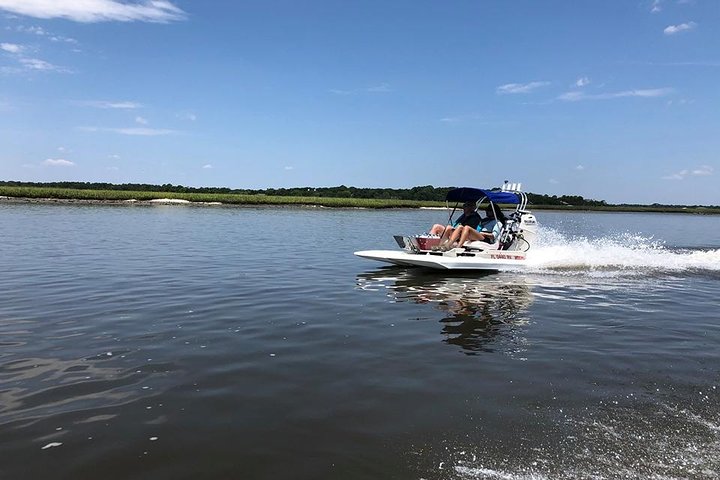
The trade-off is honest: summer humidity punishes from June through September, the sprawl kills any fantasy of a walkable core, and the city's reputation still lags behind what it delivers. But for a fraction of what Miami charges, you'll eat Mayport shrimp pulled from the water that morning, paddle salt marshes at golden hour on the Intracoastal, and sleep in a San Marco boutique hotel without once standing in a line.
Jacksonville is the Florida trip you take when you're done performing the other Florida trips.
Travel Tips
Transportation: Jacksonville is a car city. Fighting this fact wastes time. The JTA bus network runs but schedules thin out quickly outside peak commute hours, and the Skyway, a free automated monorail through downtown, covers about a mile of useful ground. Ride-hailing apps work reliably and cost less than they do in Miami or Orlando. For the beaches, expect a twenty-minute drive east on Atlantic or Beach Boulevard. Once you arrive, Atlantic Beach, Neptune Beach, and Jacksonville Beach blur together along an oceanfront path you can walk or bike comfortably. Rent a car. There is no elegant workaround for this one.
Money: Jacksonville runs cheap by Florida standards. The gap between what you'll spend here and what an equivalent weekend costs in Miami or even Tampa is wide enough to reshape your itinerary. Tipping follows standard American rules at sit-down restaurants and bars, and you'll offend if you skip it. The beach towns price slightly higher than inland neighborhoods for comparable food, which is predictable but still grating. Credit cards work everywhere, though a few of the older Mayport fish shacks and Riverside food trucks are cash-preferred. The Riverside Arts Market on Saturday mornings is mostly cash vendors, so stop at an ATM beforehand.
Cultural Respect: Jacksonville is a Southern city with a significant military presence. Naval Station Mayport and NAS Jacksonville mean active-duty families make up a noticeable share of the population, and the culture reflects it. Holding doors, making eye contact, and using sir and ma'am are reflexive here, not decorative. On the beach, clean up your spot when you leave. Locals take the sand personally. In Five Points and Riverside, you're in the more progressive pocket of Northeast Florida. But step outside the urban core and the tempo shifts to the rural South. Read the room and match its energy. Jacksonville is welcoming. But it notices effort.
Food Safety: Mayport shrimp is what Jacksonville does better than almost anywhere on the East Coast. You want it at the source, the fish camps along Mayport Village where boats dock within sight of the fryer. The shrimp should taste sweet and briny, with a cornmeal crust that snaps when you bite through. If they're mushy or carry a whiff of ammonia, you're eating frozen imports and should walk. Summer heat means seafood at outdoor festivals or buffets deserves skepticism. Stick to places with fast turnover. Beyond the waterfront, Five Points and San Marco have the strongest concentration of chef-owned spots. Look for datil pepper, a Northeast Florida specialty grown almost nowhere else, on hot sauces and smoked mullet dip.
When to Visit
Jacksonville gives you two seasons: the months you play outside, and the months the heat wins. October through May is the window. But March to early May is gold. Expect 24 to 29 degrees Celsius (75 to 85 Fahrenheit), Atlantic water warm enough by April, humidity still sane, and hotel rates not yet punishing. Riverside Arts Market hums on Saturdays, surf contests fire at Jacksonville Beach, and Intracoastal marshes glow neon green from a kayak. One trip? Book this slot.
Winter, December through February, feels gentle if you come from the Northeast. Days hover around 16 to 20 degrees Celsius (60 to 68 Fahrenheit) until a cold front shoves lower. Snowbirds flock, so rooms shrink and prices jump. The ocean is brisk. Yet you can stroll a mile of beach without seeing a soul. Manatees huddle in the warmer downtown river channels. Even non-wildlife people stop and stare.
June through September belongs to locals and heat-proof bargain hunters. Mercury tops 33 degrees Celsius (91 Fahrenheit) daily, humidity drapes like a wet towel, and thunderstorms crash at three o'clock like clockwork, loud, photogenic, gone in an hour. Hurricane season spans June through November, spiking in August and September. Rates plummet for these reasons, and you will share the sand with almost no one.
Shoulder months rule. May swings in with the Jacksonville Jazz Festival, turning downtown's riverfront into one giant stage you can hear from Southbank Riverwalk. October cools the nights, brings back outdoor dining without an extra shirt, and leaves Boneyard Beach and Little Talbot Island half empty. Families with kids aim for spring break or late October.
Couples after quiet sand pick early December, after Thanksgiving, before the snowbirds land.
More Ways to Experience Jacksonville
Tours, day trips, and local experiences curated by on-the-ground operators.
Didn't see anything interesting yet?
Browse Viator's full catalog of tours, day trips, food experiences, and private guides in Jacksonville.
See All Jacksonville Tours on Viator